Why hire a property Manager
As an accidental landlord or real estate investor, you want to protect what is potentially one of your most valuable assets, by ensuring that you have adequate property insurance coverage.
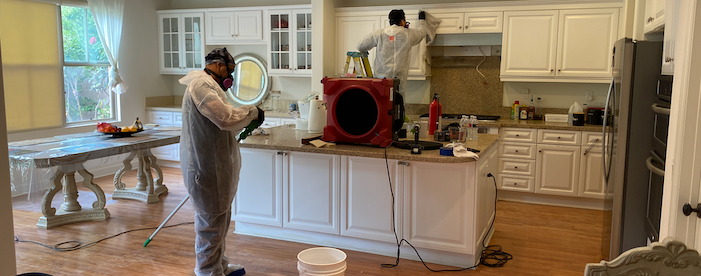
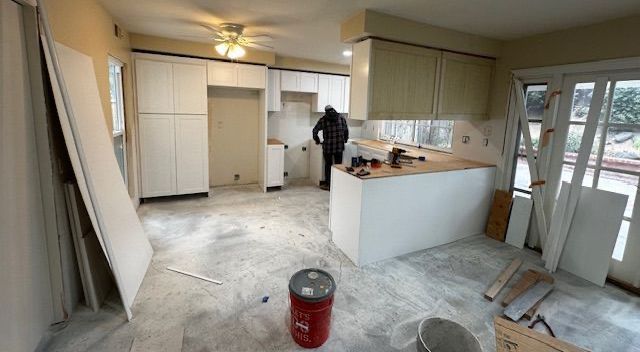
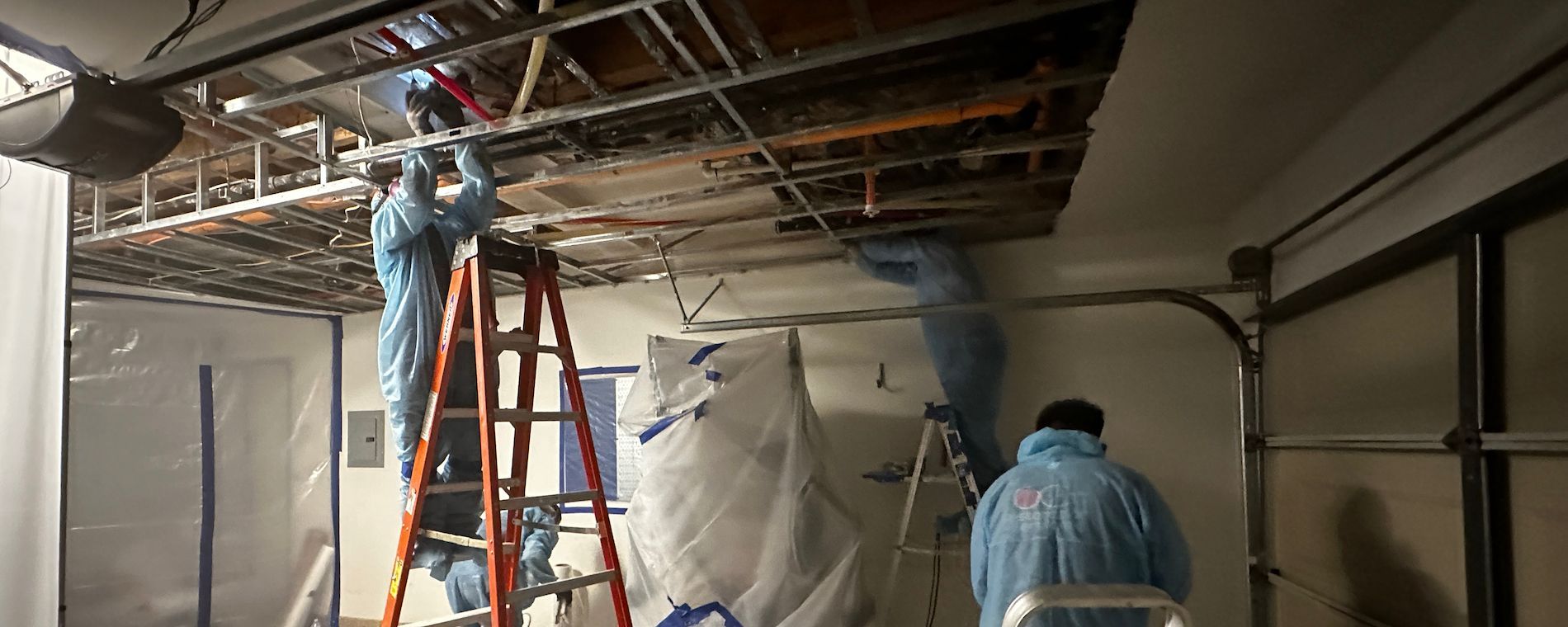
As property managers, we sometimes get calls for emergency repairs for property damage caused by tenant neglect, misuse or the most common call; water leaks. We’ve had kitchen fires and overflowing washing machines flood two floors and sewage overflows. When this happens, our first step is to mitigate the damage and assess our next steps, which may include remediation before figuring out how to return the property to its previous condition. We also have to determine how the emergency affects the current tenancy. Without landlord insurance, any incident whatever the scope could lead to significant out-of-pocket expenses for the landlord.
As an accidental landlord or real estate investor, you want to protect what is potentially one of your most valuable assets, by ensuring that you have adequate property insurance coverage. That said, property insurance is useless if your insurer declines coverage due to the wrong policy or insufficient coverage. Repair and liability costs could be catastrophic.
IMPORTANT: Not all insurance is the same, so you need insurance that is specifically designed to cover your rental properties.
Here are are few takeaways:
1. Homeowners Insurance may NOT Cover Rental Properties: If you have a mortgage, you probably have a homeowners insurance policy. However - and this is key - homeowners insurance does not typically cover rental properties because the risks are different. Homeowners insurance is for owner-occupied properties. Landlord insurance is for properties that are occupied by tenants and is designed with those risks and liabilities written into the fine print. If you file a claim on your homeowners insurance for a rental property, there is a good chance your claim will be denied. Landlords require specific coverage that addresses the unique risks associated with renting out a property, such as liability for tenant injuries, loss of rental income, and property damage caused by tenants. Homeowners insurance typically does not provide these essential protections.
2. Don’t rely on your Homeowners’ Association (HOA) Insurance.
The same goes for your HOA insurance. Homeowner’s Association insurance is also written for owner-occupied properties and often has exclusions or limits on coverage for rental properties. Additionally HOA property insurance is designed to cover common area construction such as the building, or common area facilities. It usually does not protect the interior contents, especially if your condo has been remodeled. We’ve had many clients assume that their HOA insurance coverage is sufficient, only to learn at the worst possible time that their claim was denied because the property is tenant occupied.
3. Cheap does not equal good coverage.
Cheap coverage is usually not good coverage and there may be a reason why the insurance is cheap. So read the fine print. Your insurance is only as good as the carrier’s willingness to cover a claim. Many landlord insurance policies have fine print that allow an insurance carrier to decline a claim for what may be, in your mind, a legitimate claim. For example, if there is a water leak that was a slow drip that took place over a period of time, the damage caused by the leak may not be covered. Insurance typically only covers catastrophic events.
4. Recover Lost Rental Income
If your rental property becomes uninhabitable due to damage from a covered event, landlord insurance may help cover the loss of rental income for time the property was uninhabitable. This coverage typically reimburses you for the rent you would have collected during the repair period, up to the policy limits. For example, if your property is damaged by fire, you could be compensated for lost rent while repairs are being completed. Because many property investors use that rent to pay the mortgage, landlord insurance could provide a financial cushion.
5. Liability Coverage Gaps: Homeowners insurance typically provides personal liability coverage for the homeowner. However, this coverage may not extend to tenant-related liability claims. Landlords can be held legally responsible for injuries or property damage caused by their tenants, and homeowners insurance may not provide adequate protection.
6. Tenant Default Coverage: Homeowners insurance policies do not typically cover loss of rent due to tenant default or abandonment. When a tenant fails to pay rent or unexpectedly vacates the property, landlords may suffer financial losses. Landlord insurance can sometimes provide coverage for lost rent, helping landlords navigate these challenges without significant financial strain.
7. Legal Expenses Coverage: Dealing with legal matters related to rental properties, such as tenant disputes or eviction proceedings can be costly and homeowners insurance usually does not provide for legal expenses specifically related to rental properties. Landlord insurance may provide this coverage ensuring that they have the resources to handle legal challenges that may arise.
8. Coverage Limitations: Homeowners insurance policies typically have coverage limits that may not adequately protect the higher value of a rental property. Landlords often require higher coverage limits to safeguard their investment and Landlord insurance may provide that added coverage based on the current value of the property.
Please remember that we are not insurance experts or attorneys. This advice is based on the past ten plus years of property management experience. But if you own a rental property, our recommendation is to review your insurance coverage with your insurance agent and/or attorney. Relying solely on homeowners insurance or Homeowner Association insurance may expose you to significant financial risks and coverage gaps should the dreaded emergency repair call come in.